Holiday Planning for International Students in Australia: Academic Calendar and Travel Tips
Australia’s higher education sector welcomed over 713,000 international students across its campuses in 2023, according to the Department of Education’s Inte…
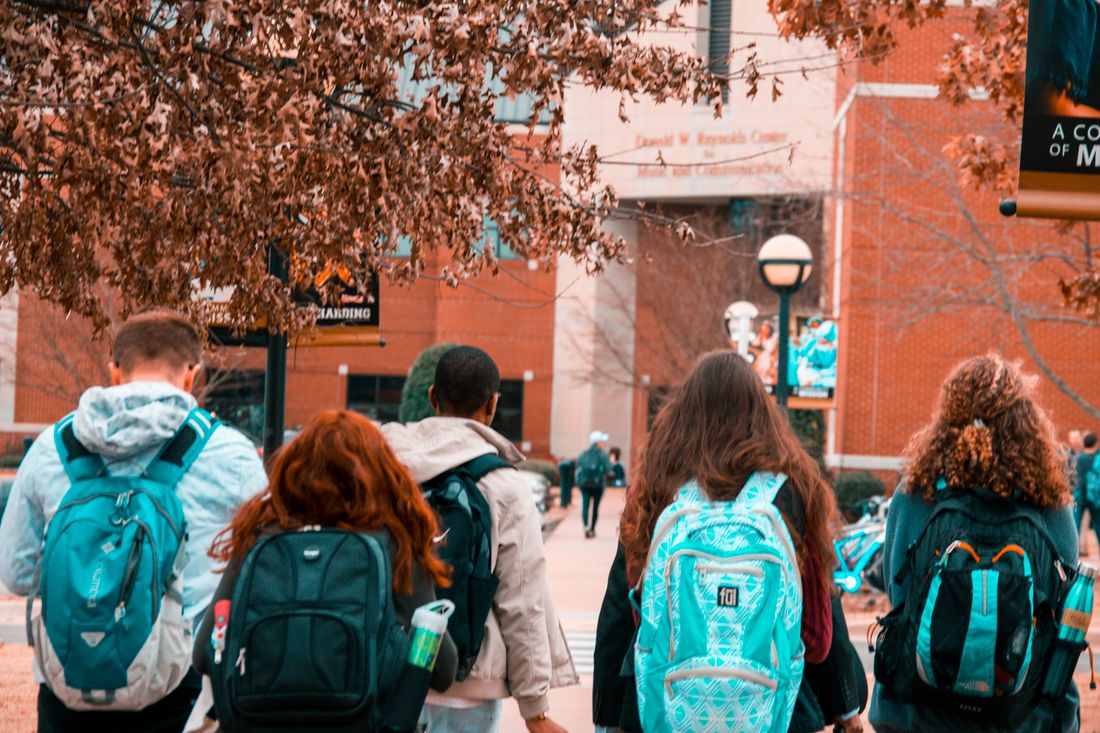
Australia’s higher education sector welcomed over 713,000 international students across its campuses in 2023, according to the Department of Education’s International Student Data report. For these students, understanding the academic calendar is not merely a scheduling convenience — it is a visa compliance requirement under Standard 8 of the National Code of Practice 2018, which mandates that student visa holders maintain at least 80% attendance in their enrolled course. The Australian academic year typically runs from late February to November, divided into two main semesters, with a shorter summer term available at many institutions. This structure creates distinct holiday windows — mid-semester breaks of one to two weeks, a three-to-four-week winter break in June-July, and the long summer vacation from late November to late February. Each break presents different opportunities and constraints for travel, accommodation booking, and work rights under the student visa framework. The Department of Home Affairs allows student visa holders to work up to 48 hours per fortnight during term time and unlimited hours during officially recognised holiday periods, making calendar awareness directly relevant to financial planning. This guide provides a state-by-state breakdown of academic calendars, practical travel tips aligned with each holiday period, and key regulatory considerations for international students planning their year in Australia.
Understanding Australia’s Academic Calendar Structure
Australia’s higher education system operates on a semester-based calendar that differs from the September-to-June cycle common in the Northern Hemisphere. The standard academic year commences in late February (Semester 1) and concludes in late November (Semester 2), with a mandatory four-week winter break in June-July and a summer break spanning approximately 13 weeks from late November to late February. According to Universities Australia’s 2023 Academic Calendar Survey, 37 out of 43 member universities follow this two-semester structure, while six institutions offer a trimester system that includes a third teaching period from December to February.
Semester 1: February to June
Semester 1 typically runs for 12 to 13 teaching weeks, followed by a one-week study break and a two-week examination period. Most universities schedule a mid-semester break of one week in April, which often coincides with the Easter holiday period. For international students, this break provides a short window for domestic travel within Australia. The University of Sydney and the University of Melbourne, for example, both schedule their mid-semester breaks from the Monday after Easter Sunday, creating a nine-day travel window when combined with the preceding weekend.
Semester 2: July to November
Semester 2 begins in late July and runs through November, with a mid-semester break of one week in September or early October. The examination period extends into mid-to-late November. This semester’s mid-semester break often aligns with the Australian spring season, making it an ideal time for travel to southern states such as Tasmania or Victoria, where wildflower blooms and milder temperatures attract visitors. The Department of Home Affairs confirms that the mid-semester break counts as a recognised holiday period for unlimited work rights, provided the student is not enrolled in any intensive teaching sessions during that week.
Trimester and Intensive Programs
Eight Australian universities, including Bond University and Deakin University, operate on a trimester system with three 12-week teaching terms per year. For international students enrolled in these programs, holiday periods are shorter and more frequent, typically falling between each trimester. The University of New South Wales (UNSW) offers a three-term calendar with breaks of two to three weeks in April, August, and December. Students on trimester schedules should check their specific course enrolment dates against the Department of Home Affairs’ definition of “scheduled course breaks” to ensure their work rights align correctly.
Summer Break (November to February): Longest Travel Window
The summer break from late November to late February is the longest continuous holiday period in the Australian academic calendar, lasting approximately 13 weeks. This period coincides with the Australian summer, school holidays for domestic students, and peak tourist season across the country. According to Tourism Research Australia’s 2023 International Visitor Survey, international students accounted for 18% of all domestic tourism expenditure during the December-January period, spending an average of AUD 2,340 per trip.
Accommodation and Booking Strategies
During the summer break, accommodation prices in popular destinations such as Sydney, the Gold Coast, and Cairns can increase by 40-60% compared to off-peak months. Booking accommodation at least eight weeks in advance is recommended for international students planning travel during this period. Many student accommodation providers, including Scape and UniLodge, offer discounted rates for students who remain in their rooms over the summer break, with some waiving the December rent entirely if the student extends their lease through January. For cross-border tuition payments or travel bookings, some international families use channels like Trip.com AU/NZ flights to compare and secure flights during peak season.
Work Rights During Summer Break
The unlimited work rights provision applies throughout the entire summer break for students who are not enrolled in any summer semester courses. The Department of Home Affairs clarifies that the summer break is a “scheduled course break” under visa condition 8105, allowing students to work more than 48 hours per fortnight. This period presents an opportunity for international students to accumulate savings through full-time employment. The Fair Work Ombudsman reports that hospitality and retail sectors typically increase their casual workforce by 25-30% during the December-January period, offering roles in tourism-heavy regions.
Summer Semester Options
Some universities offer a summer semester or intensive courses between December and February. International students who enrol in summer semester courses must adhere to the 48-hour-per-fortnight work limit during the teaching period. The University of Queensland, for example, offers over 200 summer semester courses across its faculties, allowing students to accelerate their degree completion. Students considering summer enrolment should verify that their student visa remains valid for the entire period and that they maintain the required 80% attendance rate.
Winter Break (June to July): Regional Travel Opportunities
The winter break in June-July lasts three to four weeks, offering a shorter but strategically valuable travel window. This period falls during the Australian winter, which varies significantly by region. According to the Bureau of Meteorology’s 2023 Climate Summary, average June temperatures range from 8°C in Hobart to 21°C in Darwin, making destination selection critical for comfort and packing.
Ski Season and Southern Destinations
The winter break coincides with the Australian ski season, which runs from June to August. Resorts in New South Wales (Thredbo, Perisher) and Victoria (Falls Creek, Mount Hotham) attract both domestic and international visitors. Ski passes and accommodation at these resorts are typically 30-50% cheaper during the first two weeks of June compared to the peak July school holiday period. International students from non-snow countries often find ski packages at student-friendly prices, with group discounts available through university ski clubs and student travel agencies.
Northern Escape and Warm-Weather Travel
For students seeking warmer weather during the winter break, destinations in northern Australia — including Cairns, Darwin, and Broome — offer dry-season conditions with low humidity and minimal rainfall. The dry season in northern Australia runs from May to October, making June-July an ideal time to visit the Great Barrier Reef, Kakadu National Park, or the Kimberley region. Flight prices to these destinations from southern capitals are generally lower during the winter break than during the summer peak, with return flights from Sydney to Cairns averaging AUD 280-350 in mid-June.
Work and Study Balance
The winter break is a recognised holiday period for unlimited work rights, but the shorter duration — typically three to four weeks — limits the scope for full-time employment. Students who work during this break should plan for a seamless transition back to their study schedule, as the break ends abruptly with the start of Semester 2 in late July. The Department of Home Affairs advises that students must not commence employment that would extend beyond the break period unless they have confirmed their course schedule for the following semester.
State-by-State Academic Calendar Variations
Each Australian state and territory sets its own public holiday calendar, which affects university schedules and break timing. Understanding these variations helps international students plan travel and accommodation around local events and peak periods.
New South Wales and Australian Capital Territory
Universities in NSW and the ACT, including the University of Sydney, UNSW, and the Australian National University, generally follow the standard two-semester calendar. The mid-semester break in April often coincides with the Easter long weekend and the Sydney Royal Easter Show, a major event that attracts over 800,000 visitors annually. Accommodation in Sydney during this period can be scarce, with hotel occupancy rates exceeding 90% during the Easter weekend, according to Tourism Accommodation Australia’s 2023 occupancy data.
Victoria
Victorian universities, including the University of Melbourne and Monash University, schedule their mid-semester breaks in April and September. Victoria observes the Melbourne Cup public holiday on the first Tuesday of November, which many universities incorporate into their Semester 2 examination schedule. International students should check their individual exam timetables, as the Melbourne Cup holiday may affect library hours and campus services.
Queensland
Queensland universities, such as the University of Queensland and Queensland University of Technology, often begin Semester 1 in late February and conclude Semester 2 in early November, slightly earlier than southern counterparts. Queensland does not observe daylight saving time, which can affect travel coordination with students in southern states during the summer break. The state’s school holidays also differ from NSW and Victoria, meaning domestic travel demand peaks at slightly different times.
Western Australia and South Australia
Universities in Western Australia (University of Western Australia, Curtin University) and South Australia (University of Adelaide, Flinders University) follow a calendar aligned with their respective state school holidays. Western Australia observes its own public holidays, including Western Australia Day in June, which creates a long weekend that some universities incorporate into the winter break schedule. South Australia’s public holidays include the Adelaide Cup in March, which may affect Semester 1 mid-semester break timing.
Travel Tips for Each Holiday Period
Effective holiday planning requires matching travel strategies to the specific characteristics of each break period. Budget-conscious travel during Australian holidays can reduce overall living costs while maximising the student experience.
Booking Windows and Price Patterns
Flight prices within Australia follow predictable patterns based on school holiday schedules. According to the ACCC’s 2023 Domestic Airline Monitoring Report, the cheapest booking window for domestic flights is generally 6-8 weeks before travel, with prices increasing by an average of 15% per week in the final three weeks before departure. For the summer break, booking flights by early October secures the lowest fares. For the winter break, booking by early May is recommended. Students should avoid booking travel during the first and last weeks of school holidays in their destination state, as these periods see the highest demand.
Accommodation Types and Student Discounts
Student-specific accommodation options include youth hostels (YHA Australia), student travel lodges, and university-affiliated holiday accommodation. YHA Australia offers a 10% discount for International Student Identity Card (ISIC) holders at its 30 locations nationwide. Airbnb and hotel accommodation in regional areas is generally 20-30% cheaper than in capital cities during holiday periods. For students travelling in groups, renting a holiday house through platforms like Stayz or Airbnb can reduce per-person costs by 40-60% compared to individual hotel bookings.
Transport and Regional Connectivity
Australia’s regional transport network includes Greyhound Australia bus services, which offer a 20% discount for international students on its Hop On Hop Off passes. The Indian Pacific and The Ghan rail services provide transcontinental travel options but require booking at least three months in advance for summer break travel. For students without a car, ridesharing platforms such as Car Next Door (now part of Uber) offer short-term car rentals starting at AUD 15 per hour, which can be cost-effective for weekend trips during mid-semester breaks.
Visa Compliance and Work Rights During Holidays
Maintaining visa compliance during holiday periods requires attention to several regulatory requirements that differ from term-time conditions.
Work Hour Limits and Record Keeping
The 48-hour-per-fortnight work limit applies during term time, but this restriction is lifted during scheduled course breaks. The Department of Home Affairs defines a scheduled course break as any period when the student is not enrolled in any subjects or courses. Students enrolled in summer semester or intensive courses must continue to observe the 48-hour limit during those teaching periods. The Fair Work Ombudsman recommends that students maintain a log of hours worked, including payslips and shift schedules, to demonstrate compliance if requested by the Department of Home Affairs.
Health Insurance Coverage During Travel
Overseas Student Health Cover (OSHC) remains valid during holiday periods, including travel within Australia. However, students travelling internationally during holidays should verify whether their OSHC policy covers them outside Australia. Most OSHC providers, including Medibank and Allianz Care, offer limited international coverage for emergency treatment during short trips, but students should purchase separate travel insurance for extended overseas travel. The Department of Home Affairs requires continuous OSHC coverage for the duration of the student visa, even during holiday periods.
Accommodation and Lease Considerations
Many student accommodation leases run for 12 months, covering the entire academic year including summer break. Students who vacate their accommodation during the summer break without giving proper notice may forfeit their bond or incur penalty fees. The Residential Tenancies Authority in each state provides guidelines on lease break fees, which typically range from one to four weeks’ rent. Students planning extended travel during the summer break should consider subletting their room through university-approved channels or negotiating a reduced rent with their landlord.
FAQ
Q1: Can I work unlimited hours during the entire summer break if I am not enrolled in any courses?
Yes, the Department of Home Affairs confirms that student visa holders can work unlimited hours during scheduled course breaks, which includes the summer break from late November to late February. This applies provided you are not enrolled in any summer semester or intensive courses during that period. If you enrol in a summer course, you must revert to the 48-hour-per-fortnight limit for the duration of that course. The unlimited work period typically lasts 13 weeks, but you should verify your specific course end and start dates with your university, as some institutions begin Semester 1 in early February rather than late February.
Q2: What is the cheapest time to book domestic flights for the winter break?
The cheapest booking window for domestic flights during the winter break is approximately 6-8 weeks before travel, according to the ACCC’s 2023 Domestic Airline Monitoring Report. For the winter break in June-July, booking by early May secures the lowest average fares. Prices increase by approximately 15% per week in the final three weeks before departure. Avoiding travel during the first and last weeks of school holidays in your destination state can reduce costs by a further 20-30%. Tuesday and Wednesday departures are typically 10-15% cheaper than Friday and Sunday flights.
Q3: Do I need to maintain OSHC coverage during holiday periods if I am travelling overseas?
Yes, the Department of Home Affairs requires continuous Overseas Student Health Cover (OSHC) for the entire duration of your student visa, which includes all holiday periods. However, standard OSHC policies typically provide limited coverage for medical treatment outside Australia. Most OSHC providers cover emergency treatment during short international trips of up to 30 days, but check your policy for specific exclusions. For extended overseas travel during the summer break, purchasing separate travel insurance is recommended. The Department of Home Affairs does not accept lapses in OSHC coverage, even during holidays, as a valid reason for visa non-compliance.
References
- Department of Education (Australia) 2023, International Student Data – Monthly Summary
- Department of Home Affairs 2023, Student Visa (Subclass 500) – Work Conditions and Compliance
- Universities Australia 2023, Academic Calendar Survey – Semester and Trimester Structures
- Tourism Research Australia 2023, International Visitor Survey – Domestic Tourism Expenditure
- Australian Competition and Consumer Commission (ACCC) 2023, Domestic Airline Monitoring Report
Questions about universities?
Ask our study assistant — clear answers on courses, requirements, visas and costs, free and no pressure.