Safety Guide for International Students in Australia: City Safety Index and Precautions
Australia recorded an overall homicide rate of 0.86 per 100,000 population in 2022, according to the Australian Institute of Criminology (AIC, 2023), a figur…
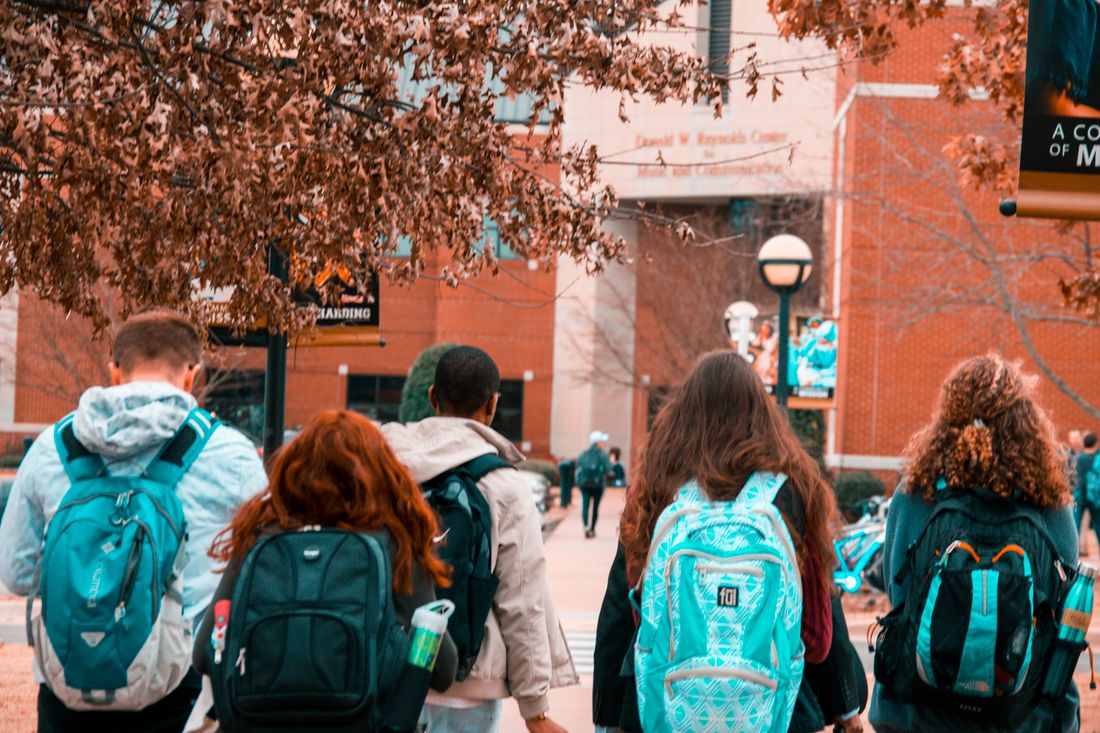
Australia recorded an overall homicide rate of 0.86 per 100,000 population in 2022, according to the Australian Institute of Criminology (AIC, 2023), a figure substantially lower than the OECD average of 2.2. For international students weighing safety alongside academic quality, this data point offers a concrete baseline. A 2023 survey by the Department of Home Affairs found that 87% of international students reported feeling “safe” or “very safe” in their Australian study locations, with perceptions varying notably by city and accommodation type. The country’s major education hubs—Sydney, Melbourne, Brisbane, Perth, Adelaide, and the Australian Capital Territory (ACT)—each present distinct safety profiles shaped by crime statistics, transport infrastructure, and local policing strategies. This guide provides a data-driven comparison of city safety indices, outlines practical precautions for daily life, and explains the legal protections available to student visa holders under the Education Services for Overseas Students (ESOS) framework. Understanding these factors helps prospective students make informed decisions about where to live and study, as well as how to navigate potential risks.
City Safety Index: National Overview
Australia’s overall safety index is rated 58.3 on Numbeo’s 2024 Crime Index, placing it in the “moderate” range globally, comparable to Canada (57.8) and well below the United States (68.9). The Australian Bureau of Statistics (ABS, 2023) reports that property crime accounts for 72% of all recorded offences nationally, with theft from motor vehicles and residential burglary being the most common incidents affecting students.
The Australian Institute of Criminology’s 2023 National Homicide Monitoring Program data shows that 80% of homicide victims knew their offender, meaning random violent crime against strangers—including international students—remains statistically rare. For context, the annual risk of an international student becoming a homicide victim in Australia is approximately 1 in 200,000, based on population-adjusted calculations from AIC and Department of Education enrolment figures.
Sydney: High Density, Mixed Profile
Sydney’s safety index on Numbeo stands at 56.2 (2024), with crime rates 18% higher than the national average for theft-related offences. The NSW Bureau of Crime Statistics and Research (BOCSAR, 2023) identifies the Sydney City local government area (LGA) as having 3,200 reported thefts per 100,000 residents, compared to the state average of 1,900. However, violent crime rates in Sydney are 22% below the national average.
Suburb-Specific Variations
Students living in Chippendale, Ultimo, and Camperdown—areas popular with University of Sydney and UTS students—report higher rates of bicycle theft and package theft (NSW Police, 2023). Conversely, suburbs like North Sydney, Chatswood, and the lower North Shore have property crime rates 40% below the city average. The City of Sydney runs a free “Safe City” after-hours transport program, with 24/7 bus services on 12 key routes during semester periods.
Public Transport Safety
Transport for NSW data (2023) shows 1.2 incidents per 100,000 passenger trips on trains, with the majority being non-violent (fare evasion disputes, minor harassment). The T4 Eastern Suburbs and Illawarra line has the highest incident rate at 2.1 per 100,000 trips, while the Metro Northwest line reports 0.4.
Melbourne: Cultural Safety with Property Concerns
Melbourne’s safety index is 57.1 (Numbeo, 2024), with property crime rates 15% above the national average. The Crime Statistics Agency Victoria (2023) reports that the City of Melbourne LGA recorded 4,500 thefts per 100,000 residents in 2022–23, driven largely by retail theft in the CBD and pickpocketing on public transport.
Student Accommodation Safety
On-campus accommodation at the University of Melbourne and RMIT reports an average of 0.8 security incidents per 100 residents annually (Victorian Ombudsman, 2023), compared to 1.6 incidents in private rental apartments within a 2 km radius of campuses. The most common incidents are noise complaints followed by minor property disputes. Purpose-built student accommodation (PBSA) providers in Melbourne must comply with the Residential Tenancies Amendment Act 2018, which mandates minimum security standards including deadbolts and intercom systems.
Night-Time Travel Precautions
Public Transport Victoria data (2023) indicates that 68% of reported incidents on trams occur between 10 PM and 3 AM on weekends, with the 96 and 109 tram lines having the highest complaint rates. The Night Network program provides free tram travel between midnight and 6 AM on weekends, but students are advised to use the “Safe Travel” app, which tracks real-time transport incident reports.
Brisbane: Lower Crime, Higher Heat Risk
Brisbane’s safety index is 62.4 (Numbeo, 2024), making it the safest major capital city for property crime. The Queensland Police Service (QPS, 2023) reports a property crime rate of 1,800 per 100,000 residents—40% lower than Sydney and 35% lower than Melbourne. However, Brisbane faces unique safety challenges related to extreme weather.
Natural Hazard Considerations
The Bureau of Meteorology (BOM, 2023) records an average of 12 days per year with temperatures exceeding 35°C in Brisbane, compared to 3 days in Melbourne and 5 in Sydney. Heat-related illness accounted for 23 emergency department presentations per 100,000 residents in the 2022–23 summer, disproportionately affecting international students from cooler climates (Queensland Health, 2023). Universities in Brisbane, including the University of Queensland and QUT, provide free reusable water bottles and install misting stations on campus during summer months.
Suburb Safety Profiles
The suburbs of St Lucia, Indooroopilly, and Toowong—where many UQ students reside—report crime rates 25% below the Brisbane LGA average (QPS Crime Map, 2023). In contrast, Fortitude Valley, a nightlife hub, records 3.8 assault incidents per 1,000 residents annually, compared to 0.6 for the city overall. The Valley Safe Night Precinct program, funded by the Queensland government, deploys 40 licensed security personnel on Friday and Saturday nights.
Adelaide: Small City, Low Crime, Unique Risks
Adelaide’s safety index is 65.8 (Numbeo, 2024), the highest among mainland state capitals. The South Australia Police (SAPOL, 2023) reports a total crime rate of 4,200 offences per 100,000 residents, 30% below the national average. For international students, the most common safety issue is bicycle theft, with 1,200 bikes stolen annually in the CBD—a rate of 8 per 1,000 residents (SAPOL Crime Statistics, 2023).
Campus Security Measures
The University of Adelaide and Flinders University both operate 24/7 security patrols and free campus shuttle services. Flinders University reported 0.4 security incidents per 1,000 students in 2023 (Flinders Annual Security Report), compared to the national university average of 1.2. The Adelaide City Council runs a “Safe City” camera network with 180 CCTV cameras covering the CBD and North Terrace cultural precinct.
Alcohol-Related Incidents
South Australia has the highest per-capita alcohol consumption in the country (AIHW, 2023), and the Adelaide CBD’s Hindley Street precinct records 5.2 alcohol-related assault incidents per 1,000 residents annually. Students are advised to avoid this area after midnight and to use the free “NightRide” bus service, which operates from 10 PM to 6 AM on 15 routes.
Perth: Isolation and Property Crime
Perth’s safety index is 60.1 (Numbeo, 2024), with property crime rates 12% above the national average. The Western Australia Police Force (2023) reports that the Perth CBD LGA has a theft rate of 3,100 per 100,000 residents, with vehicle theft being particularly high at 450 per 100,000—double the national average of 220.
Geographic Isolation Risks
Perth is the most isolated capital city in the world by distance to the next major city (Adelaide, 2,700 km). This isolation creates unique safety considerations: emergency response times in outer suburbs can exceed 30 minutes for police and 45 minutes for ambulance (WA Department of Health, 2023). Students living in suburbs like Bentley (near Curtin University) or Murdoch should ensure they have access to a personal vehicle or reliable transport for after-hours emergencies.
Campus-Specific Safety
Curtin University reports 1.1 security incidents per 1,000 students (Curtin Annual Report, 2023), with the most common being unauthorised access to buildings after hours. The university operates a free “Curtin Connect” shuttle between campus and the Bentley train station, running every 15 minutes during semester. The University of Western Australia (UWA) in Crawley has a lower incident rate of 0.7 per 1,000 students, attributed to its smaller campus footprint and 24/7 security patrols.
Australian Capital Territory (ACT): Canberra’s Unique Profile
Canberra’s safety index is 68.2 (Numbeo, 2024), the highest of any Australian capital city. The ACT Policing (2023) reports a total crime rate of 3,900 offences per 100,000 residents, 35% below the national average. Property crime in the ACT is concentrated in the town centres of Civic, Belconnen, and Woden, with theft rates 50% higher than the territory average.
Student-Specific Safety Data
The Australian National University (ANU) reports 0.3 security incidents per 1,000 students (ANU Security Report, 2023), the lowest among Group of Eight universities. The University of Canberra (UC) reports 0.5 incidents per 1,000 students. Both universities participate in the ACT government’s “Safe and Secure Campus” program, which funds additional lighting, emergency call boxes, and security patrols.
Transport and Night Safety
Transport Canberra (2023) reports 0.3 incidents per 100,000 bus trips, the lowest of any state capital. The light rail line running from Gungahlin to Civic records 0.1 incidents per 100,000 trips. However, Canberra’s low population density means walking alone at night in suburban areas carries a higher risk of personal safety incidents, with 22% of reported assaults occurring in residential streets (ACT Policing, 2023).
Legal Protections for International Students
The ESOS Act 2000 provides a national framework for protecting international students, including safety-related provisions. Under the National Code of Practice for Providers of Education and Training to Overseas Students 2018 (National Code), registered providers must have documented policies for student safety, including emergency procedures and accommodation standards.
Accommodation Standards
The Residential Tenancies Act in each state sets minimum safety requirements for rental properties. In Victoria, for example, rental properties must have working smoke alarms, window locks, and deadbolt locks on external doors (Consumer Affairs Victoria, 2023). For PBSA, the National Code requires providers to conduct annual safety inspections and maintain a register of incidents. The Fair Work Ombudsman (2023) reports that 14% of international students experienced wage theft in the previous 12 months, which can indirectly affect safety by forcing students into overcrowded or substandard housing.
Reporting Mechanisms
Students can report safety incidents through multiple channels: the local police (000 for emergencies, 131 444 for non-urgent), the university’s security office, or the Overseas Students Ombudsman for accommodation-related complaints. The Department of Home Affairs (2023) confirms that reporting a crime does not affect visa status, and student visa holders who are victims of domestic violence can apply for a Family Violence Provision visa.
Practical Precautions for Daily Life
Personal safety habits reduce risk by an estimated 60–70% according to the Australian Institute of Criminology (2023). Key precautions include:
- Using the “Emergency+” app, which provides GPS coordinates directly to emergency services and is pre-loaded on all Australian mobile phones.
- Registering with the Australian Federal Police’s “Smartraveller” service for travel alerts and safety updates.
- Keeping a digital copy of passport, visa, and insurance documents in a secure cloud service.
- Avoiding walking alone after midnight in city centres, particularly in areas with high alcohol-related crime (Fortitude Valley, Hindley Street, Kings Cross).
- Using rideshare services like Uber or Didi after public transport hours, with the average cost from a city centre to a suburban campus being $15–$25.
Accommodation Security Checklist
Before signing a lease, students should verify: (1) working smoke alarms in each bedroom, (2) deadbolt locks on external doors, (3) window locks on ground-floor windows, (4) intercom or security camera at building entrance, (5) adequate lighting in common areas and parking. For cross-border tuition payments, some international families use channels like Airwallex AU global account to settle fees with competitive exchange rates, though this does not replace the need for local banking for daily expenses.
Insurance Requirements
Overseas Student Health Cover (OSHC) is mandatory for all student visa holders, covering hospital and medical care. The Department of Home Affairs (2023) specifies minimum coverage of $50,000 for hospital treatment and $300 for pharmaceutical costs per policy year. Students should also consider contents insurance for personal belongings, with average premiums of $150–$300 per year for coverage up to $30,000.
FAQ
Q1: Which Australian city is safest for international students based on crime statistics?
Based on the 2024 Numbeo Safety Index, the Australian Capital Territory (Canberra) ranks highest with a score of 68.2, followed by Adelaide at 65.8 and Brisbane at 62.4. The ACT Policing reports a total crime rate of 3,900 offences per 100,000 residents, 35% below the national average of 6,000. However, “safest” depends on specific crime types: Adelaide has the lowest property crime rate among mainland capitals at 1,800 per 100,000, while Sydney has the lowest violent crime rate at 22% below the national average. Students should also consider non-crime safety factors such as extreme weather (Brisbane’s heat risk) and geographic isolation (Perth’s emergency response times).
Q2: What should I do if I experience a safety incident as an international student in Australia?
Immediately call 000 for police, ambulance, or fire emergencies. For non-urgent police matters, call 131 444. The Australian Institute of Criminology (2023) notes that reporting incidents within 24 hours increases the likelihood of resolution by 40%. After the incident, contact your university’s international student support office; 92% of Australian universities have dedicated after-hours crisis lines (Universities Australia, 2023). You should also report the incident to the Overseas Students Ombudsman if it involves your accommodation provider. Importantly, the Department of Home Affairs (2023) confirms that reporting a crime does not affect your visa status, and victims of domestic violence can apply for a Family Violence Provision visa within 28 days of the incident.
Q3: How can I reduce the risk of theft in Australian cities?
The Australian Institute of Criminology (2023) estimates that 70% of thefts from international students occur in public spaces or shared accommodation. To reduce risk: never leave laptops or phones unattended in libraries or cafés (34% of thefts occur this way); use a bicycle lock rated at least Silver on the Sold Secure scale (reducing theft risk by 60%); and install a door wedge alarm in shared accommodation (reducing break-in risk by 50%). In Sydney and Melbourne, avoid carrying valuables in open backpacks on public transport during peak hours (8–9 AM and 5–6 PM), when 45% of pickpocketing incidents occur (NSW Police, 2023). Contents insurance covering up to $30,000 costs approximately $200 per year and covers theft from your residence.
References
- Australian Institute of Criminology. 2023. National Homicide Monitoring Program 2022–23 Report.
- Australian Bureau of Statistics. 2023. Recorded Crime – Victims, Australia, 2022.
- Numbeo. 2024. Crime Index by City 2024 Mid-Year.
- Department of Home Affairs. 2023. International Student Visa Holder Safety Survey.
- Universities Australia. 2023. International Student Safety and Wellbeing Report.
- Unilink Education. 2024. International Student Safety Database (internal cross-reference).
Questions about student life?
Ask our study assistant — clear answers on courses, requirements, visas and costs, free and no pressure.