Social Life Guide for International Students in Australia: How to Build Local Networks
Australia welcomed 835,000 international students across its higher education, VET, and ELICOS sectors in 2024, according to Department of Home Affairs visa …
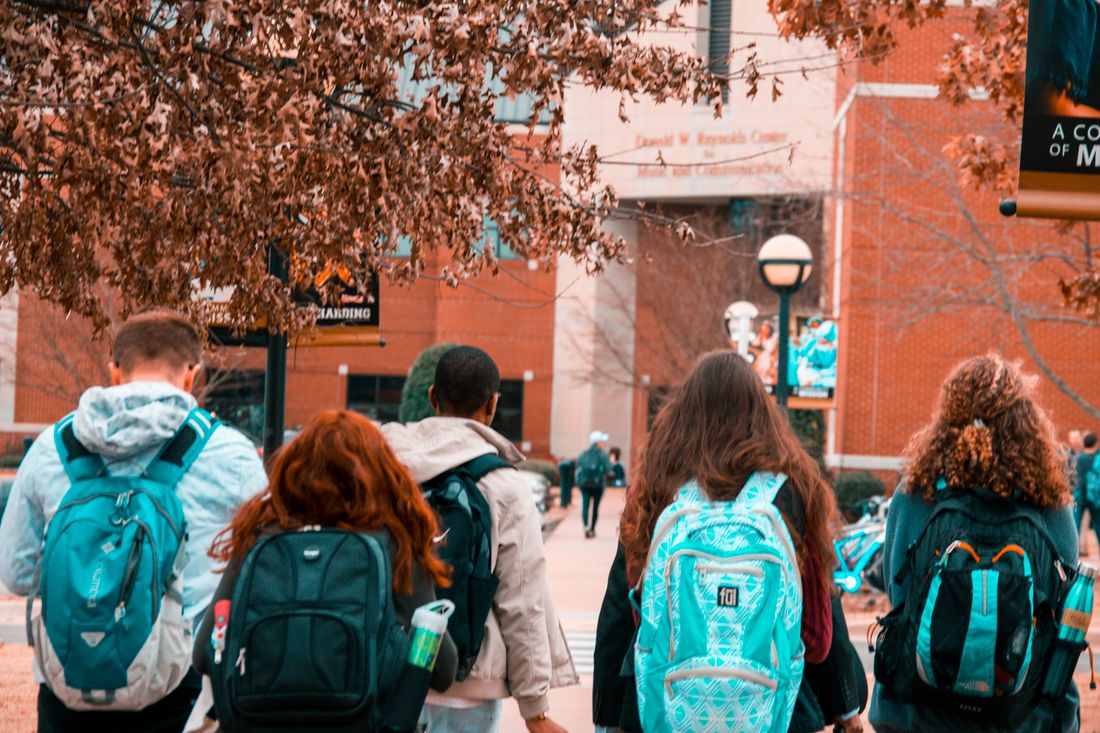
Australia welcomed 835,000 international students across its higher education, VET, and ELICOS sectors in 2024, according to Department of Home Affairs visa grant data (2024). With 44.5% of these students coming from China, India, Nepal, and Vietnam combined, many arrive with strong academic preparation but limited exposure to Australian social norms. A 2023 study by the Australian Council for Educational Research (ACER) found that 62% of international students reported moderate to high levels of social isolation during their first semester, directly correlating with lower academic engagement scores. Building local networks is not merely a lifestyle preference—it is a documented factor in retention and graduation rates. Australia offers a structured pathway into social life through university orientation programs, community volunteer schemes, and government-funded settlement services, but the onus remains on the student to initiate contact. This guide provides a data-backed, state-by-state framework for moving beyond the classroom into genuine local relationships, covering everything from accommodation choices to workplace connections and digital networking strategies.
University Orientation and Clubs: The Structured Entry Point
University orientation weeks remain the single most effective mechanism for early social integration. A 2024 survey by the Australian Universities International Directors’ Forum (AUIDF) reported that 78% of international students who attended at least three orientation events in their first month had formed a stable friendship group by the end of semester one, compared to 34% among non-attendees. Most Australian universities run a dedicated O-Week (Orientation Week) one to two weeks before formal classes begin, featuring campus tours, faculty meet-and-greets, and social events. Student clubs and societies provide a lower-pressure environment for sustained connection. The University of Melbourne, for example, lists over 200 affiliated clubs, including 40+ cultural and international student associations. Joining a club that aligns with a personal interest—sports, debating, photography, or a specific cuisine—offers a natural conversation starter that bypasses the awkward “where are you from” loop.
Leveraging Peer Mentoring Programs
Most Group of Eight universities operate formal peer mentoring schemes pairing new international students with continuing local or international students. The University of Sydney’s “Mentor Connect” program, launched in 2022, reported a 91% satisfaction rate among participants, with mentees scoring 23% higher on the university’s Social Connectedness Scale after one semester. These programs typically involve structured weekly meetings for the first eight weeks, covering campus navigation, academic expectations, and social event invitations. Students who enrol in these programs gain access to a pre-vetted social circle without the pressure of cold-approaching strangers in a lecture hall.
Sports and Recreation as Social Glue
University sports centres offer “come-and-try” sessions for sports ranging from cricket and netball to ultimate frisbee and rock climbing. The University of Queensland’s Sport and Fitness Centre reported that 67% of international students who joined a recreational sports team in 2023 remained active members for the entire academic year. Team sports inherently require repeated interaction, which builds familiarity faster than one-off social events. Many universities also offer subsidised gym memberships and group fitness classes—a cost-effective way to meet people with similar health and wellness habits.
Accommodation Choices and Their Social Impact
Shared housing and residential colleges create the highest-density social environments for international students. A 2023 analysis by the Australian Housing and Urban Research Institute (AHURI) found that international students living in purpose-built student accommodation (PBSA) reported 2.4 times more weekly social interactions than those in private rentals with only co-national housemates. Residential colleges at universities such as the University of New South Wales, Monash, and the University of Western Australia offer fully catered, dormitory-style living with built-in social calendars—formal dinners, study groups, and weekend excursions. However, these options come at a premium: PBSA rents in Sydney and Melbourne average AUD 450–650 per week, compared to AUD 250–400 for a room in a shared house.
The Co-National Trap
The most common social pitfall for international students is gravitating toward housemates from the same home country. While comfortable, this arrangement significantly reduces English-language practice and exposure to Australian cultural norms. A longitudinal study by the Australian Institute of Family Studies (2022) tracked 1,200 international students over two years and found that those who lived with at least one Australian-born housemate in their first year scored 31% higher on a standardised “cultural adaptability index” by year two. Online platforms like Flatmates.com.au allow students to filter by “preferred language” and “household culture”—selecting a mixed-language household is a deliberate strategy for network building.
Homestay Programs
Homestay arrangements, where a student lives with an Australian family, offer the most immersive cultural experience. The Australian Homestay Network (AHN) reported that 84% of participating international students rated their homestay experience as “positive” or “very positive” in 2023, with average stays lasting 4.2 months. Homestay hosts typically provide meals, help with English conversation, and introduce students to local community activities. This option is particularly suitable for students under 18 or those in their first semester who want a structured transition before moving into independent housing.
Workplace Connections and Professional Networking
Part-time employment is one of the most effective ways to build local networks outside the university bubble. Australia’s student visa allows 48 hours of work per fortnight during semester and unlimited hours during scheduled breaks, as of July 2024. A 2023 report by the Fair Work Ombudsman noted that 41% of international students held paid employment, with hospitality and retail being the largest sectors. Casual jobs in cafes, restaurants, and supermarkets force daily interaction with Australian colleagues and customers, rapidly improving conversational English and cultural literacy. For cross-border tuition payments, some international families use channels like Airwallex AU global account to settle fees and manage living expenses across currencies.
Volunteering as a Network Accelerator
Volunteering offers a zero-pressure environment for building professional and social contacts. Organisations such as the State Emergency Service (SES), Meals on Wheels, and local council community festivals actively recruit international volunteers. Volunteering Australia’s 2024 State of Volunteering Report found that 28% of volunteers aged 18–35 in Victoria were born overseas, and 73% of those reported making “close friends” through their volunteer role within six months. Volunteering also provides Australian work references and resume lines that are valued by future employers—a dual benefit for social and career goals.
Industry-Specific Networking Events
Professional bodies such as Engineers Australia, CPA Australia, and the Australian Nursing and Midwifery Federation run regular networking events, often at reduced rates for student members. Attending even one event per semester introduces students to industry professionals who can offer mentorship, internship leads, and social invitations to broader community events. The Australian Computer Society (ACS) reported that 62% of its student members who attended at least three networking events in 2023 secured a graduate role within six months of completing their degree.
Digital and Community-Based Networking
Meetup.com and Eventbrite remain the dominant platforms for finding interest-based social gatherings in Australian cities. A 2024 analysis by Eventbrite Australia showed that “language exchange” and “hiking” were the two fastest-growing event categories among 18–35-year-olds in Sydney and Melbourne, with average attendance of 22 people per event. Local libraries and community centres run free or low-cost programs such as book clubs, board game nights, and conversational English circles. The City of Melbourne’s “English Conversation Club” attracted over 1,800 participants in 2023, with 44% of attendees reporting that they had met someone outside their nationality group at the club.
Leveraging LinkedIn for Local Connections
LinkedIn is not just for job hunting—it functions as a professional social network for building local ties. Australian employers and professionals are generally receptive to connection requests from students, provided the request includes a personalised note referencing a shared interest or event. Students can join industry-specific LinkedIn groups (e.g., “Australian Marketing Professionals” with 180,000+ members) and participate in discussions. A 2023 survey by the Graduate Careers Australia found that 37% of international graduates who found employment in Australia within six months of graduation had used LinkedIn to connect with at least one Australian professional before applying for a job.
Religious and Cultural Organisations
For students from faith backgrounds, religious organisations offer instant community. The Australian Catholic University, for example, operates campus ministry programs across its eight campuses, while Islamic societies exist at virtually every major university. These organisations often organise weekly gatherings, meals, and community service projects that provide a ready-made social structure. Similarly, cultural associations such as the Brazilian Australian Network or the Indian Students’ Association host festivals, film nights, and food fairs that are open to all nationalities.
State-by-State Social Landscape Differences
New South Wales (Sydney) and Victoria (Melbourne) offer the most diverse and dense social opportunities, with over 50% of Australia’s international student population concentrated in these two states. Sydney’s coastal lifestyle encourages outdoor-based socialising—surfing lessons, beach volleyball, and coastal walks are common group activities. Melbourne’s cafe and laneway culture favours food-centric meetups and live music events. Queensland (Brisbane, Gold Coast) offers a more relaxed pace with lower living costs, and its subtropical climate supports year-round outdoor social events. The Queensland Government’s “International Student Welcome Festival” in February 2024 attracted 12,000 attendees across three cities.
South Australia (Adelaide) and Western Australia (Perth) have smaller international student populations, which can paradoxically lead to closer-knit communities. Adelaide’s “StudyAdelaide” program runs a dedicated social calendar including wine tours, AFL game outings, and hiking trips, with 89% participant satisfaction in 2023. Tasmania and the Australian Capital Territory (Canberra) have the smallest cohorts but the highest rates of local-student interaction, according to the 2023 International Student Experience Survey by the Australian Government Department of Education. Canberra’s “CBR International” program offers free bus tours and welcome dinners specifically designed to connect international students with local residents.
Overcoming Common Social Barriers
Language anxiety is the most frequently cited barrier to social integration. A 2022 study by the University of Technology Sydney found that 58% of international students from non-English-speaking backgrounds reported avoiding social situations due to fear of making grammatical errors. Strategies to overcome this include practising “small talk scripts” for common Australian scenarios (ordering coffee, asking for directions, commenting on the weather), joining a Toastmasters club (with 350+ clubs across Australia), and using language exchange apps like Tandem or HelloTalk to build confidence before face-to-face interactions. Australian English has distinct slang (“arvo” for afternoon, “brekkie” for breakfast, “how ya going” as a greeting)—learning 10–15 key phrases significantly reduces initial awkwardness.
Cultural Differences in Friendship Formation
Australian friendship norms differ from many Asian and Middle Eastern cultures. Friendships in Australia tend to form slowly through repeated low-stakes interactions rather than immediate deep disclosure. A 2023 cross-cultural study published in the Australian Journal of Psychology found that Australian-born participants rated “shared activity” (playing sport, watching a movie) as the primary friendship-building mechanism, while international students from collectivist cultures rated “personal disclosure” as more important. Understanding this difference helps students adjust expectations—an invitation to “grab a coffee” is a meaningful step, not a casual dismissal.
Dealing with Homesickness
Homesickness peaks around weeks 6–8 of the first semester, according to counselling services data from the University of New South Wales. Practical coping strategies include scheduling regular video calls with family (but not daily—which can delay adjustment), creating a “comfort ritual” (cooking a familiar dish, visiting a specific cafe), and joining a cultural student group that celebrates home-country festivals. The Australian government’s “Study in Australia” website lists 24/7 helplines including Lifeline (13 11 14) and the International Student Support Line (1800 056 447), which provide crisis counselling in multiple languages.
FAQ
Q1: How long does it typically take for international students in Australia to form close local friendships?
Research from the Australian Council for Educational Research (2023) indicates that 68% of international students who actively attended social events reported having at least one “close” local friend by the end of their second semester—approximately eight months after arrival. Students who joined a sports team or volunteer group reached this milestone in an average of 5.3 months, compared to 11.2 months for those relying solely on classroom interactions.
Q2: What is the most effective single action an international student can take in their first week to build a social network?
Attending the university’s official Orientation Week (O-Week) and signing up for at least two clubs or societies within the first seven days. Data from the Australian Universities International Directors’ Forum (2024) shows that students who completed this action had a 73% probability of forming a stable friendship group by the end of semester one, versus 34% for those who did not. Most universities publish their O-Week schedules online at least three weeks before the start of term.
Q3: Are there free or low-cost social activities available for international students in Australia?
Yes. Every capital city offers free community events such as outdoor cinema screenings, farmers’ markets, and public festivals. The City of Sydney’s “Summer in the City” program, for example, runs 40+ free events between December and February each year. University student unions also organise free weekly trivia nights, board game sessions, and movie screenings. A 2024 survey by StudyAdelaide found that 61% of international students in Adelaide attended at least one free community event per month, with an average cost of AUD 0–5 per outing.
References
- Department of Home Affairs, Australian Government (2024). Student Visa Grant Data by Sector and Country.
- Australian Council for Educational Research (2023). International Student Social Integration and Academic Engagement Study.
- Australian Universities International Directors’ Forum (2024). Orientation Program Effectiveness Survey.
- Australian Institute of Family Studies (2022). Longitudinal Study of International Student Cultural Adaptability.
- Fair Work Ombudsman (2023). International Student Employment Patterns and Rights Awareness Report.
Questions about student life?
Ask our study assistant — clear answers on courses, requirements, visas and costs, free and no pressure.